Get Radiator Heating Installation
Radiator heating installation services help property owners set up reliable, efficient heating systems for homes and buildings, handling projects like new installations, replacements, and upgrades.
Radiator heating installation is a practical solution for property owners seeking efficient and reliable warmth. Whether upgrading an existing system or installing a new setup, choosing experienced local contractors can help ensure the work is completed to meet your specific needs. Exploring your options and comparing services in the area can provide valuable insights into the best approaches for your property’s heating requirements.
Understanding the benefits of radiator heating and the variety of installation options available can support informed planning for your project. Connecting with local service providers allows property owners to gather information and find professionals skilled in delivering tailored heating solutions. Keep reading to learn more about how local contractors can assist with your radiator heating installation needs.
- Residential radiator heating installation - homeowners may need this work when upgrading or replacing their existing heating system.
- Commercial radiator heating setup - businesses might require installation services for efficient space heating in commercial spaces.
- New construction radiator systems - builders and developers look for local contractors to install heating solutions in new buildings.
- Radiator heating system repair and replacement - property owners seek service providers for fixing or upgrading aging or malfunctioning radiators.
- Retrofit radiator heating solutions - property owners or managers may want to add or upgrade radiator systems in existing structures.
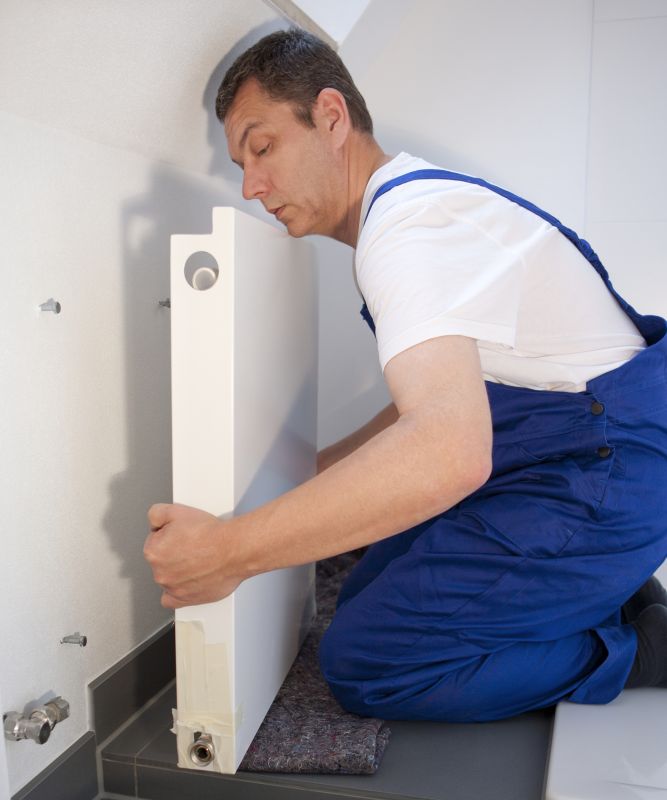
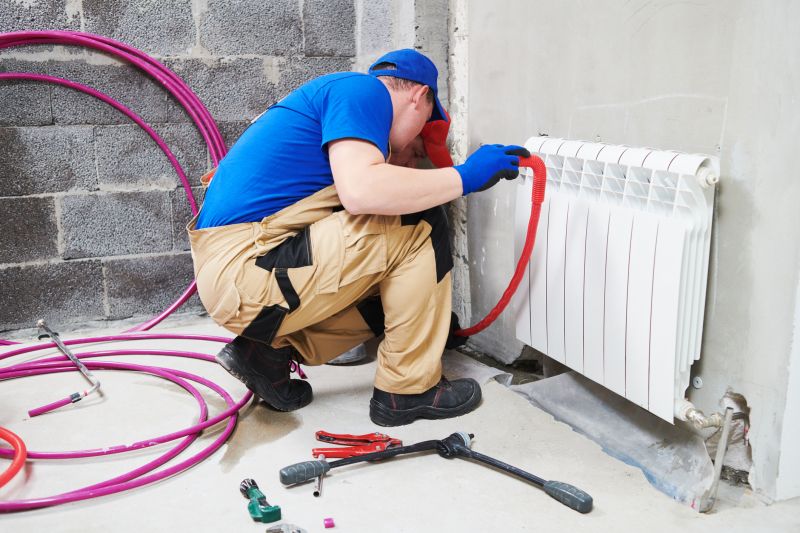
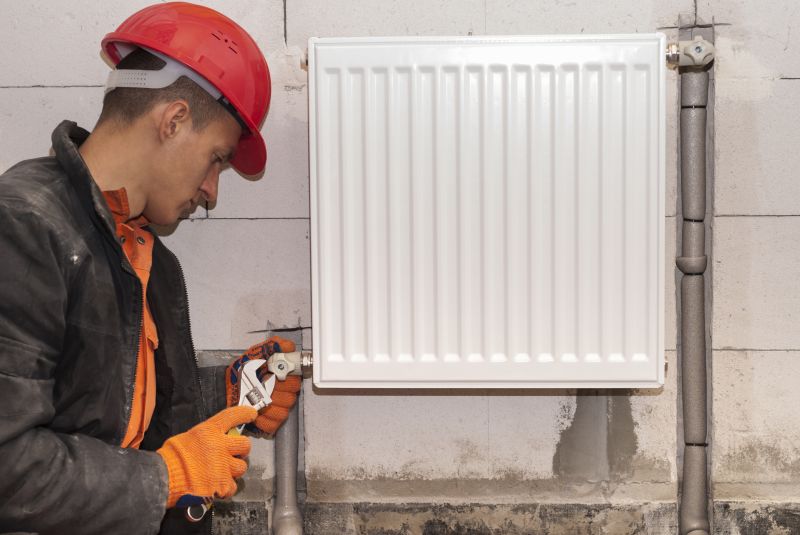
Radiator heating installation involves setting up a system that uses radiators to distribute heat throughout a property. This process typically includes selecting appropriate radiators, installing piping or hot water loops, and connecting the units to a central heat source such as a boiler or furnace. Skilled service providers ensure that the system is properly integrated into the existing structure, providing an efficient and effective way to heat a home or commercial space. Proper installation is essential for optimal performance, energy efficiency, and long-term durability of the heating system.
This type of heating service helps address common problems such as uneven heating, high energy bills, and outdated or inefficient heating systems. When radiators fail to distribute heat evenly or respond poorly to thermostat adjustments, it may indicate the need for a new installation or upgrades. Additionally, older systems can become prone to leaks, corrosion, or reduced efficiency, which can lead to increased operational costs. Professional radiator installation can resolve these issues by replacing or upgrading existing units, ensuring consistent warmth and improved energy use.
Radiator heating installation is often suitable for a variety of property types, including single-family homes, multi-unit residential buildings, and some commercial spaces. Homes with traditional or historic architecture may particularly benefit from radiator systems due to their ability to provide steady, zone-based heating without the need for extensive ductwork. Commercial properties that require reliable, uniform heat across large areas can also find radiator systems a practical solution. Service providers can tailor the installation to match the specific layout and heating needs of each property.
Homeowners considering radiator heating services typically do so when upgrading an old or inefficient system, adding heating to a new space, or seeking a reliable alternative to forced-air options. This service can be a practical choice for those looking to improve comfort levels during colder months or to replace aging radiators that no longer perform well. Local contractors experienced in radiator installation can evaluate individual properties, recommend suitable systems, and handle the installation process to ensure the system operates effectively and efficiently for years to come.
The overview below groups typical Radiator Heating Installation projects into broad ranges so you can see how smaller, mid-sized, and larger jobs often compare in your area.
In many markets, a large share of routine jobs stays in the lower and middle ranges, while only a smaller percentage of projects moves into the highest bands when the work is more complex or site conditions are harder than average.
Smaller Repairs - Typical costs for minor radiator repairs or replacements usually range from $250 to $600. Many routine jobs fall within this middle range, depending on the extent of the work and parts needed.
Full Replacement - Replacing an entire radiator heating system can cost between $3,000 and $7,000 or more. Larger, more complex projects tend to reach higher price points, but most replacements stay within this range.
System Upgrades - Upgrading an existing radiator system with newer, more efficient models generally costs $1,500 to $4,000. Many upgrades are in the lower to middle part of this range, with higher costs for custom or extensive modifications.
Complex Installations - Installing radiators in multiple rooms or in difficult spaces can vary widely, typically from $4,000 to $10,000+. While some projects are on the lower end, more involved installations can push costs higher depending on scope and complexity.
Actual totals will depend on details like access to the work area, the scope of the project, and the materials selected, so use these as general starting points rather than exact figures.
Hydronic Floor Heating Installation - This project involves installing tubing beneath floors to provide radiant heat, requiring similar planning and pipe fitting skills as radiator systems.
Baseboard Heating System Setup - Installing baseboard heaters involves working with hot water or electric components, sharing tools and layout considerations with radiator installation.
Hydronic Boiler Replacement - Upgrading or replacing boilers for hot water systems requires knowledge of plumbing and heating components used in radiator setups.
Steam Radiator Conversion - Converting or repairing steam radiators involves understanding steam flow and pipe connections, related to radiator heating installation skills.
HVAC Ductwork and Radiator Integration - Combining ducted heating with radiator systems involves planning and installation skills that overlap with radiator system setups.
Heating System Zoning and Controls - Installing thermostats and zoning controls for heating systems requires expertise in system layout and pipework similar to radiator installation projects.
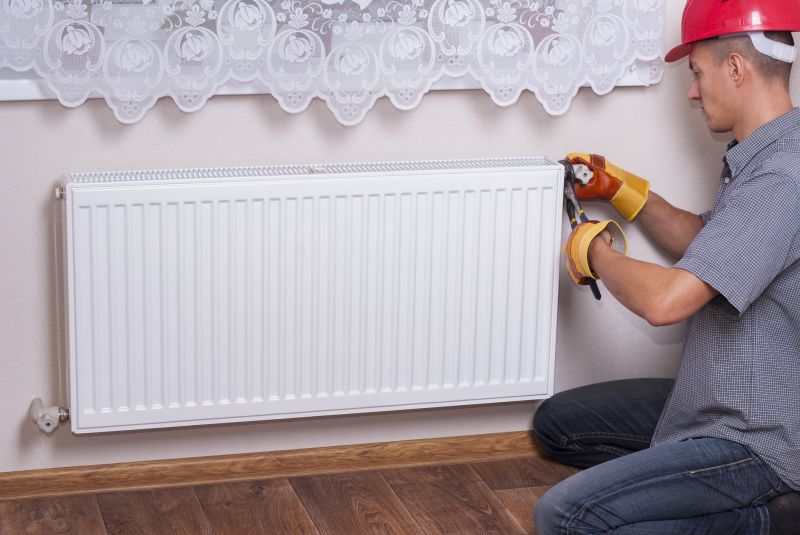
When evaluating local contractors for radiator heating installation, it’s important to consider their experience with similar projects. Homeowners should look for service providers who have a proven track record in installing or upgrading radiator systems in homes comparable to their own. An experienced professional will be familiar with different types of radiators, common installation challenges, and best practices, which can contribute to a smoother process and a more reliable result.
Clear, written expectations are essential when choosing a heating contractor. Homeowners should seek out service providers who can provide detailed project descriptions, scope of work, and any necessary specifications in writing. This helps ensure that both parties have a shared understanding of what the project entails, reducing potential misunderstandings or surprises along the way. Well-documented expectations also serve as a reference point throughout the project, contributing to transparency and accountability.
Reputable references and effective communication are key factors in selecting a reliable service provider. Homeowners are encouraged to ask for references from previous clients who had similar radiator heating projects completed. Contacting these references can provide insight into the contractor’s workmanship, professionalism, and reliability. Additionally, good communication from the start-such as prompt responses to inquiries and clear explanations of options-can help build trust and ensure that questions are addressed throughout the project. It’s worth noting that this site introduces homeowners to local options, helping them connect with qualified service providers capable of handling the work, rather than performing the work directly.
Property owners use Radiator Heating Installation services for practical projects around their homes and businesses. This guide focuses on everyday jobs and straightforward project options.
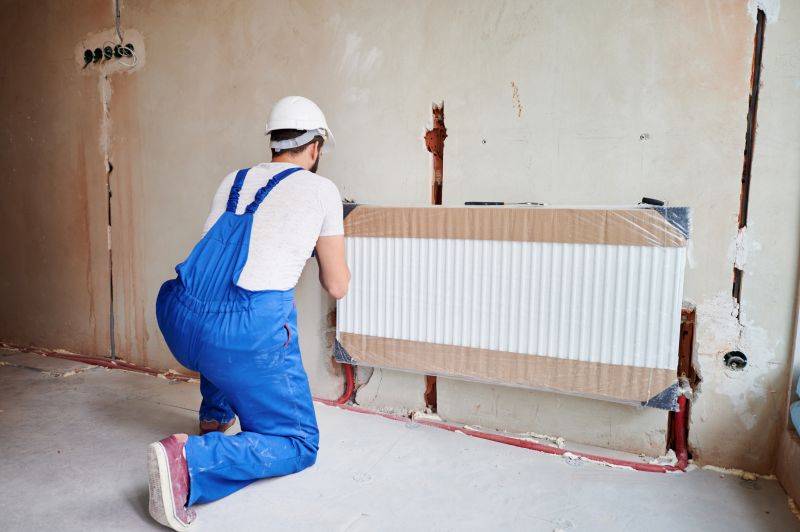
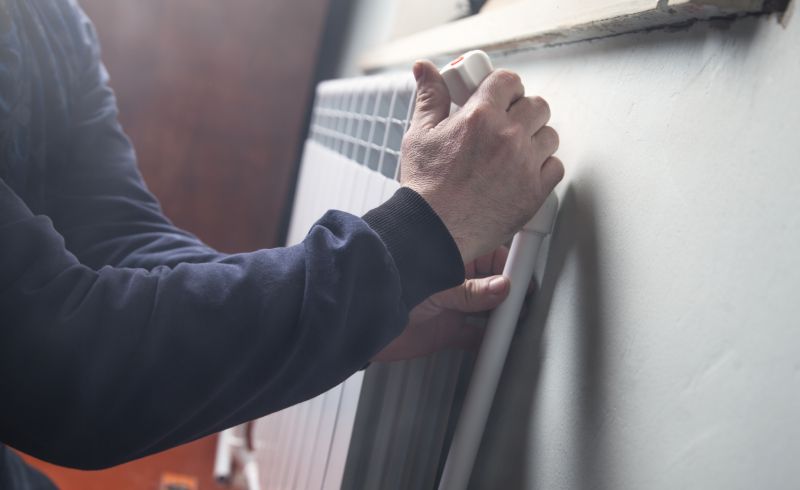
Radiator heating installation is a common project for property owners seeking reliable warmth during colder months. Homeowners or building managers might look for local contractors when upgrading outdated systems, replacing old radiators, or installing new heating solutions in different rooms. These projects often arise from comfort concerns, improvements to energy efficiency, or preparing a property for seasonal changes, prompting residents to seek experienced service providers in their area.
In addition, property owners may need radiator installation services when renovating or remodeling spaces, ensuring their heating system functions effectively with new layouts or designs. Local contractors are frequently called upon to handle these projects, offering expertise to integrate radiators seamlessly into existing or new structures. Whether addressing heating issues or enhancing a property's comfort, many turn to nearby service providers to get the job done efficiently.
What are the benefits of radiator heating systems? Radiator heating systems provide consistent warmth and can improve indoor comfort levels in various types of homes and buildings.
How do local contractors install radiator heating systems? Local service providers typically assess the space, design a suitable layout, and handle the installation process to ensure proper function and efficiency.
What types of radiator heating options are available? There are different radiator styles, including cast iron, panel, and modern designs, which can be selected based on the specific heating needs and aesthetic preferences.
Can existing heating systems be upgraded to radiator heating? Yes, many local contractors can retrofit existing systems or integrate radiator heating into current setups for improved performance.
What maintenance is required for radiator heating systems? Regular bleeding of radiators and inspection of valves are common maintenance tasks performed by local service providers to keep the system running smoothly.
Upgrade to Radiator Heating - Property owners can improve indoor comfort by installing radiator heating systems in living rooms or bedrooms.
Replace Old or Inefficient Systems - Homeowners with outdated heating methods may consider professional installation of modern radiator systems for better heat distribution.
Add Zone Control - Installing individual radiators with zone control can help manage temperature levels in different areas of a property more effectively.
Plan for Whole-Home Heating - Property owners can work with local service providers to design and install a comprehensive radiator heating setup for consistent warmth throughout the home.
If you are thinking about Radiator Heating Installation for a property, this guide is meant to help you understand the work, the typical project types, and how different options might fit your plans.
When you are ready, you can use the quote form on this page to share a few details about your project. From there, local pros can review the basics and respond with options that match what you have in mind.